Health and Safety Policy for Movers Man And Van
 This Health and Safety Policy sets out the standards followed by Movers Man And Van to protect clients, staff, contractors, and members of the public during every stage of a move. Our approach is based on prevention, safe working practices, and a commitment to maintaining a controlled environment wherever lifting, loading, transport, or delivery takes place. We recognise that moving furniture, boxes, appliances, and other household or business items can create risks if handled carelessly, so all work is planned with careful attention to safety, communication, and accountability.
Our policy applies to all moving activities, including packing support, lifting, carrying, transit, unloading, and placement of goods. Every mover is expected to act responsibly, identify hazards early, and use equipment correctly. We also expect customers and other parties involved in a move to cooperate with safe working arrangements, such as keeping walkways clear and informing us of known risks. By following these standards, man and van movers can reduce avoidable incidents and complete work efficiently.
 Risk assessment is central to our operations. Before starting a job, we consider the size and weight of items, access conditions, parking arrangements, floor surfaces, weather, and any fragile or awkward loads. Where necessary, we adjust the moving plan to reflect the conditions on site. This may include using extra personnel, choosing alternative carrying routes, or splitting the load into smaller and safer sections. Our goal is to ensure that moving van safety is not an afterthought but part of the job from the outset.
All team members are expected to use proper lifting techniques and to seek assistance when an item is too heavy, bulky, or unstable to handle alone. We discourage rushed or unsafe manual handling. The policy emphasises team lifting where appropriate, secure grip, stable footing, and avoiding twisting while carrying. Any object that presents a clear risk must be assessed before movement begins. We also encourage workers to take short pauses when fatigue, poor posture, or environmental conditions could affect safe performance.
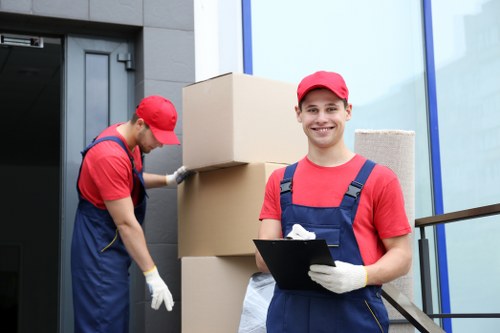
Protective equipment is used whenever needed to support safe working. This can include gloves, safety footwear, hi-vis clothing, and other suitable items depending on the task. Equipment such as trolleys, straps, blankets, and protective covers must be checked before use and kept in good condition. Damaged equipment is removed from service until it is repaired or replaced. In this way, moving safety procedures remain consistent and reliable throughout the workday.
 Vehicle safety is another essential part of this policy. Our vans are loaded carefully to maintain balance, prevent shifting, and reduce the chance of damage during transit. Heavy items are placed low and secured properly, while fragile goods are protected from pressure and movement. Drivers are expected to operate vehicles safely, observe speed limits, plan routes responsibly, and avoid distractions. A safe journey is just as important as a safe lift, because the movement of goods does not end until the load is delivered and unloaded correctly.
We maintain high standards of housekeeping at all work locations. Floors, corridors, steps, ramps, entrances, and loading areas should be kept as clear as possible. Spills, loose packaging, and obstacles can create trip hazards, so they must be addressed promptly. Poor lighting, narrow access points, and uneven surfaces are also identified and managed wherever feasible. Good housekeeping supports safe man and van operations by reducing the likelihood of slips, trips, and falls.
Communication is essential for safe work. Our team members use clear instructions and confirm important details before lifting or moving anything. If a hazard is noticed, work is paused until the issue is addressed. We encourage reporting of near misses, damaged items, unsafe conditions, and incidents so that lessons can be learned and repeated risks reduced. Open reporting helps improve man and van health and safety over time and strengthens our overall standards.
Training and supervision are provided to ensure that staff understand their responsibilities. New team members receive guidance on manual handling, equipment use, load security, customer property care, and safe conduct on site. Refresher training is used when work practices change or when additional support is needed. Supervisors are responsible for monitoring standards, correcting unsafe actions, and promoting a positive safety culture. This commitment helps Movers Man And Van deliver a dependable and responsible service.
 Emergency preparedness is part of our planning. In the event of injury, vehicle breakdown, fire, or another serious issue, our team follows established procedures and acts calmly to protect people first. First aid, emergency contact arrangements, and basic incident response are considered before work starts. We also take care to protect vulnerable individuals, pets, and property during the moving process. Safety always takes priority over speed or convenience.
Clients can support the success of this policy by sharing relevant information in advance, such as difficult access, parking restrictions, or items that need special care. Cooperation makes it easier to plan safe lifting routes and appropriate staffing. However, responsibility for safety remains shared throughout the move, and our team will never carry out tasks that appear unsafe or beyond reasonable control. A reliable man and van service depends on sensible decisions at every stage.
 This policy is reviewed regularly to keep it practical, effective, and aligned with current best practice. Updates may be made where necessary to reflect changes in equipment, work methods, or operational experience. Our aim is to protect people, prevent harm, and maintain a professional standard in every job we undertake. Through consistent care, attention, and discipline, Movers Man And Van upholds a safe service that customers and workers can trust.